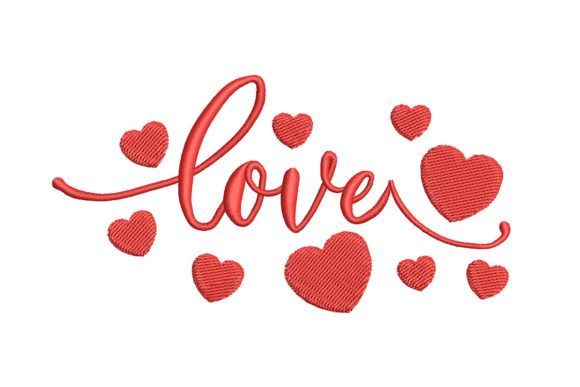
Love Hearts: A Craft Fair-Ready Embroidery Design
First Impression: Sweet, Simple, and Instantly Recognizable
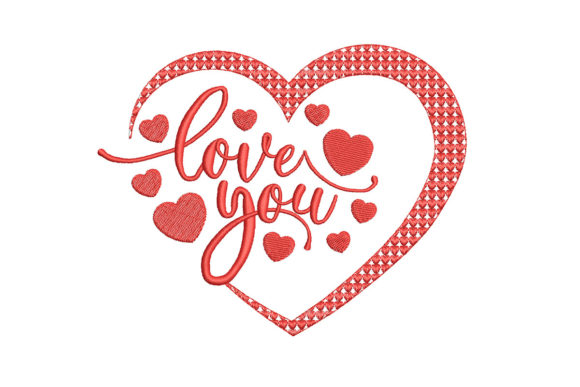
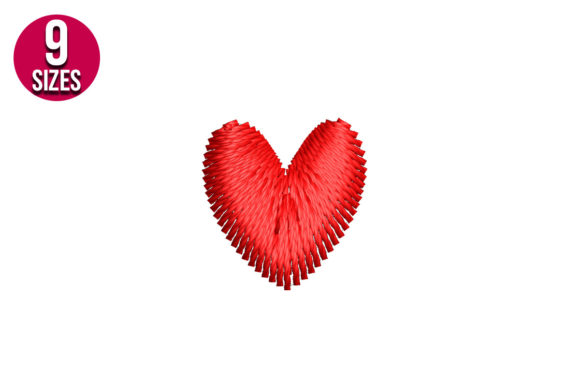
As an embroidery designer who’s prepped over 200 craft fair booths—from snowy winter markets to sun-drenched summer fairs—I opened Love Hearts expecting charm. What I found was even better: a design that lands as romantic, modern, and effortlessly handmade. It doesn’t shout “Valentine’s Day”—it whispers it with warmth. No frills, no clutter, no dated script or cartoonish hearts. Just clean lines, balanced proportions, and a quiet confidence that reads as premium on first glance. That’s gold for small shop owners: customers slow down for Love Hearts, not because it’s loud, but because it feels intentional.
Where Love Hearts Shines in Real Booth Displays
In my booth setup—featuring embroidered tote bags, linen aprons, cotton tea towels, denim pouches, canvas pillow covers, and twill caps—Love Hearts stood out strongest on three items: tote bag design, tea towel embroidery, and embroidered patch. On a natural canvas tote, centered just below the handle seam, it reads like a quiet signature—not branding, but belonging. On a folded tea towel displayed on a rustic shelf, its soft scale and open spacing let the fabric breathe, reinforcing handmade quality. As a sew-on patch (5”–6”), it becomes a versatile product: customers buy them to personalize backpacks, jackets, or kids’ lunchboxes—turning one machine embroidery design into five repeatable revenue streams.
Why It Works on Aprons & Pillow Covers
Love Hearts avoids the common pitfall of “too small to see, too big to balance.” At medium scale (3.5”–4.5”), it anchors an apron pocket without overwhelming the silhouette. On a 16” pillow cover, it centers beautifully above the seam—no awkward stretching or distortion. Its simplicity means it adapts to curved surfaces (like cap fronts) *if* hooped carefully—but more on that below. For Etsy sellers, this adaptability means fewer mockup variations needed: one digital embroidery file, six high-converting product photos.
Production Reality Check: Easy to Stitch, Smarter to Test
The description says “fun and easy to stitch”—and it is. But “easy” doesn’t mean “no prep.” As a working embroidery designer, I ran Love Hearts through my standard pre-fair checklist:
- Test on scrap fabric—especially your go-to tea towel linen and midweight denim. Texture eats detail.
- Check thread contrast on both light and dark fabrics. A single red thread pops on cream, but fades on navy unless you switch to burgundy or metallic rose.
- Review spacing: The heart shapes mustn’t crowd—tight gaps increase stitch density and risk puckering on lightweight cotton.
- Confirm hoop size before batching. If it requires a 5x7 hoop, plan your machine workflow accordingly.
- Inspect stitch density. Even simple designs can over-stitch tiny curves—check for unnecessary underlay or fill layers.
- Use the right stabilizer: Tear-away for smooth cottons; cut-away for knits or textured towels.
- Create at least one real mockup—not just a printable mockup. Light changes everything. A linen apron looks different under market tent lighting vs. your studio lamp.
- Compare fabric colors side-by-side. What reads “soft romantic” on ivory may read “faded” on oatmeal.
- Confirm commercial licensing before selling finished products. This isn’t just legal—it protects your brand if a buyer resells your embroidered tote as their own.
Careful-Use Notes: Where Love Hearts Needs Extra Attention
Don’t assume “simple” means foolproof. On textured towels, fine interior lines can vanish. On curved cap surfaces, the topmost heart may distort unless you use a cap frame and reduce tension slightly. Dense stitch areas—especially where hearts overlap or connect—can cause shadowing on dark fabric. And while there’s no tiny lettering here (a huge plus), scaling Love Hearts below 2.25” risks losing definition—avoid it for small pouches or keychain tags unless you’ve verified clarity at that size. Also, skip heavy stabilizers on delicate chambray—they’ll stiffen the drape and undercut the design’s soft appeal.
Selling Power: How Love Hearts Lifts Your Entire Table
A craft fair isn’t about selling *one* item—it’s about selling *trust*. Love Hearts builds that trust fast. Its clarity at arm’s length makes it scannable in a crowded aisle. Its versatility lets you group products cohesively: a matching set of tea towel + pouch + patch feels curated, not random. Buyers perceive higher handmade value because the design looks deliberate—not generic, not clip-art. For boutique makers, it reinforces brand consistency across seasonal collections. And for Etsy sellers? It photographs cleanly, converts well in thumbnail view, and pairs naturally with romantic, minimalist, or farmhouse aesthetics—no rebranding needed.
Final Verdict: A High-Return, Low-Risk Embroidery File
Love Hearts isn’t just another Valentine S Day embroidery design—it’s a craft fair workhorse. It balances emotional resonance with production practicality. It sells as a standalone gift, a customizable add-on, and a cohesive collection anchor. It invites engagement (“Is that hand-stitched?” “Can you do it in blush?”) without demanding complex customization. For embroidery business owners, digital sellers, and small shop product creators, it’s a rare find: a machine embroidery design that feels personal, performs reliably, and lifts your entire lineup—not just your February sales. Just remember: test, tweak, and treat it like the asset it is. Because when your booth draws people in, and your finished product makes them pause—that’s when Love Hearts does its most important stitching.