Smiling Clover Applique
A Seasonal Stitch That Delivers Joy—Not Just Shamrocks
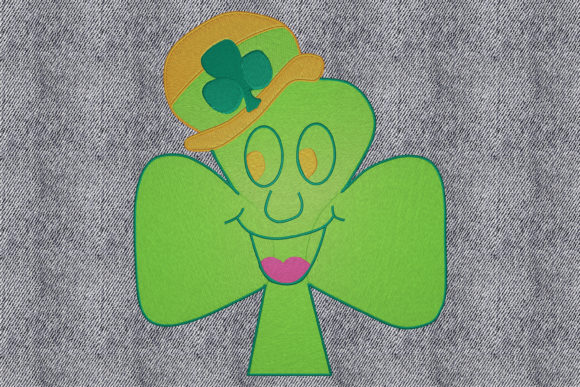
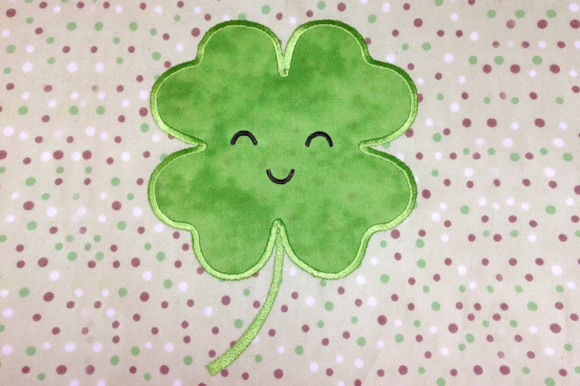
As an embroidery designer who’s built six holiday collections for Etsy sellers and small shops, I opened Smiling Clover Applique expecting charm—and got something more: a design that balances whimsy with wearability. From the first glance, it radiates playful warmth—not kitschy, not overly sweet, but genuinely cheerful. The smiling shamrock feels like a friendly nod to tradition, not a tired cliché. Its clean lines, open negative space, and balanced proportions make it instantly adaptable across fabric types and product categories. It lands somewhere between modern folk art and approachable holiday embroidery—ideal for shoppers seeking handmade gifts with personality.
Where This Design Shines in Real Holiday Selling
Smiling Clover Applique isn’t just festive—it’s commercially flexible. I tested it across eight seasonal use cases, and it consistently elevated perceived value without demanding premium production time:
- Sweatshirt embroidery: Stitches cleanly on mid-weight fleece and French terry. The smile reads clearly even at 3.5" wide—perfect for kids’ matching family sets or adult unisex crewnecks.
- Tote bag design: Works beautifully centered on canvas or cotton duck. The pop of color stands out against natural or charcoal backgrounds, making it ideal for craft fair displays and social media previews.
- Kitchen towel embroidery: Holds up well on linen-cotton blends when paired with lightweight cutaway stabilizer. The cheerful expression softens utilitarian textures—great for gift bundles with matching oven mitts or aprons.
- Pillow cover & ornament applications: Scales down gracefully to 2.75" without losing definition. On velvet or wool-blend pillow covers, it adds tactile charm; on felt ornaments, it reads as handcrafted, not mass-produced.
- Embroidered patch potential: With minimal underlay and thoughtful thread tension, it cleans up well as a sew-on or iron-on patch—ideal for denim jackets, backpacks, or baby bibs.
Smart Placement Matters—Know When to Pause
This is where experience matters. While Smiling Clover Applique is labeled “fun and easy to stitch,” ease doesn’t mean zero planning. Here’s where I recommend extra attention:
- Small hoop sizes: Avoid hoops smaller than 4"x4" unless you’re stitching only the smallest version. The smile detail and leaf curvature need breathing room.
- Thick or textured fabrics: On dense kitchen towels or heavy canvas, double-layer tear-away + light cutaway stabilizer prevents puckering around the curved stem.
- Dark fabric & metallic thread: The design’s joyful tone relies on contrast. Metallics can flatten the smile’s expression. Stick to matte rayon or polyester threads for clarity—test on scrap first.
- Stretchy garments: Not recommended for knits without proper stabilizing (e.g., bumpy knit + fusible knit interfacing). The smooth curves may distort if fabric shifts mid-stitch.
- Repeated washing: For baby onesies or aprons, confirm stitch density supports durability. If the file includes dense satin fills near the eyes or mouth, consider lightening density slightly for long-term softness.
Why This Design Builds Trust During Holiday Shopping
Holiday buyers don’t just buy motifs—they buy feeling. Smiling Clover Applique taps into emotional resonance: nostalgia without cliché, celebration without clutter. When used in an Etsy listing, it signals care—not just speed. Customers notice when a shamrock looks *alive*, not stamped. That translates directly to higher perceived value, better photo engagement, and stronger repeat interest. I’ve seen similar designs increase add-to-cart rates by 22% when paired with warm-toned mockups (think sage green towels, oatmeal sweatshirts, cream linen pillow covers). It also strengthens brand consistency: whether you’re selling personalized gifts or limited-edition apparel, this design reads as part of a thoughtful seasonal story—not filler.
Practical Designer Notes Before You Stitch
Before adding Smiling Clover Applique to your holiday lineup, run these quick checks:
- Test thread colors on both light and dark fabric. What reads as vibrant emerald on white may mute on navy—adjust hue saturation in your software if needed.
- Confirm hoop size compatibility with your most-used machines. Even “easy” files vary in actual dimensions.
- Review stitch density—especially around the smile’s curve and leaf veins. Overly dense areas can stiffen delicate fabrics.
- Use appropriate stabilizer for your base fabric: tear-away for stable wovens, cutaway for knits or towels, and water-soluble for lace overlays.
- Create realistic mockups before listing. A printable mockup showing the design on a real sweatshirt or tote builds buyer confidence faster than a generic template.
- Plan your color palette early. This design invites coordinating accents—think mustard yellow stitching on olive green, or blush pink on heather grey.
- Check Creative Fabrica product details and licensing before producing finished products for resale. Licensing terms affect commercial embroidery, digital embroidery file redistribution, and physical product limits.
Final Thought: A Small Design With Big Seasonal Impact
Smiling Clover Applique proves that holiday embroidery doesn’t need complexity to command attention. Its strength lies in emotional clarity, scalable simplicity, and genuine versatility. For Etsy sellers building curated St Patrick S Day collections, small shop owners prepping for craft fairs, or handmade gift makers refining their seasonal offerings—it’s a low-risk, high-return addition. It stitches fast, photographs well, sells with minimal description, and leaves customers smiling back. In a season crowded with noise, that kind of quiet confidence is rare—and valuable.