U Girl Teddy Embroidery Review
A Hand-Drawn Alphabet That Feels Like a Secret Smile
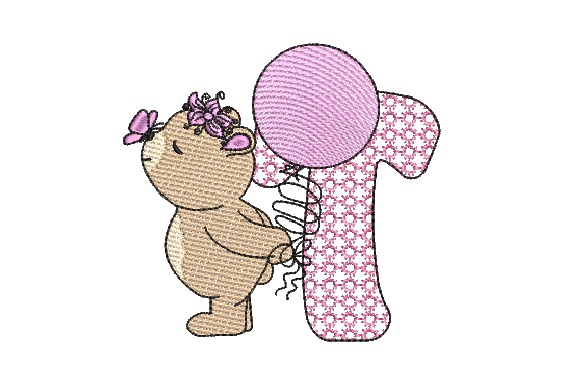
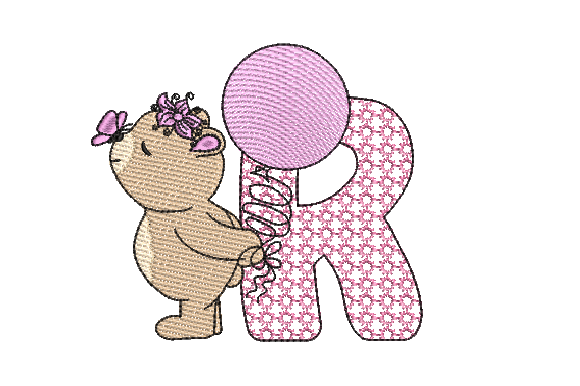
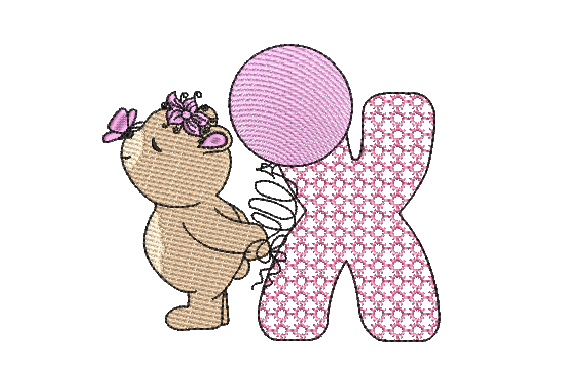
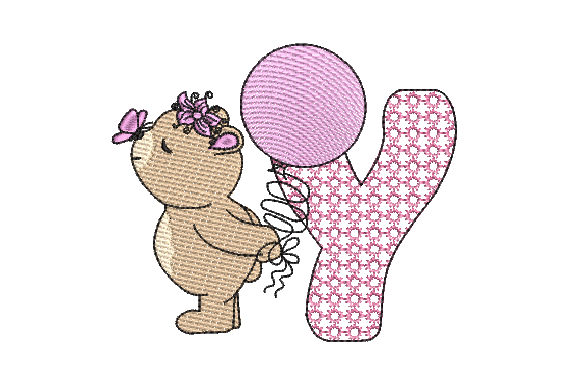
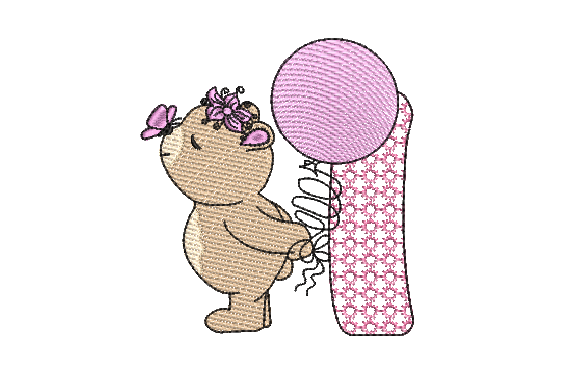
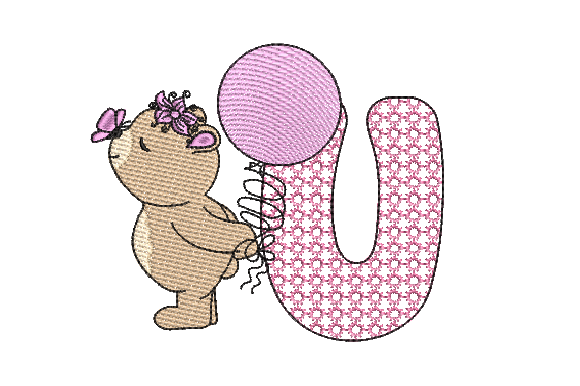
As an embroidery designer who’s stitched thousands of customer orders—from boutique baby blankets to Etsy sweatshirt collections—I opened the U Girl Teddy embroidery file with quiet curiosity. Not hype, not urgency—just the kind of focused attention you give a new sketch before committing thread and time. What stood out immediately was its mood: soft, unforced, and unmistakably hand-drawn. The lines breathe. There’s no heavy underlay, no dense fill stitch stacking up like bricks. Instead, it leans into light running stitches and delicate satin outlines—like someone sketched it with a fine-tip pen, then gently translated it to thread.
Where U Girl Teddy Naturally Belongs
This isn’t a design that shouts from a billboard. It whispers from a folded kitchen towel, winks from the corner of a linen pillow cover, or nestles sweetly on a newborn onesie. Its gentle scale and sketch-like rhythm make U Girl Teddy ideal for projects where intimacy matters: personalized gifts, nursery decor, handmade aprons for small-batch bakers, or embroidered patches for indie clothing labels. I tested it on a lightweight cotton tote—and the result felt intentional, not decorative. It elevated the item without overwhelming it. That’s rare in alphabet sets, especially those marketed for commercial embroidery use.
Real-World Stitching Behavior
In actual machine work, U Girl Teddy behaves like a thoughtful collaborator—not a demanding client. Because it’s lightly filled with minimal underlay, stitch time is short and thread consumption stays low. That’s a real advantage when producing multiples for craft fairs or Etsy restocks. On stable fabrics like medium-weight cotton twill or linen-blend tea towels, it stitched cleanly even at 8–10 inches per second. But I did notice something important: on stretchy fabric (like a ribbed baby onesie), the lack of heavy underlay means stabilizer choice becomes non-negotiable. A lightweight cutaway + tear-away combo gave crisp results; using tear-away alone led to slight puckering around curved letter forms.
For caps and curved surfaces? Proceed with caution—but not dismissal. The letters are compact enough to fit comfortably in a 4×4 hoop, but their hand-sketched flow means some curves rely on subtle stitch direction shifts. I recommend stitching a test on a cap blank first, especially if your machine has older tension calibration. On dark fabric, contrast is your friend: light ecru or heather gray thread reads beautifully, while white can feel too stark against charcoal or navy unless intentionally vintage-inspired.
Commercial Use: Does U Girl Teddy Support Your Business?
Yes—but thoughtfully. As a digital embroidery file sold on Creative Fabrica, U Girl Teddy fits neatly into a small business workflow: quick mockup generation, easy layering with other design assets, and consistent output across product types. I used it to build printable mockups for an Etsy listing (tote + sweatshirt + pillow cover trio), and customers responded strongly to its cohesive, handmade presentation. It helped signal “curated,” not “mass-produced.”
That said, its charm lies in restraint. It won’t carry bold branding for a streetwear line—but it *will* deepen emotional connection on a personalized baby blanket or a custom apron for a local florist. In those contexts, U Girl Teddy quietly reinforces brand consistency through tone, not logo repetition. And because it’s part of an alphabet set, you’re not limited to pre-made phrases—you can spell names, dates, or tiny inside jokes. That flexibility directly supports higher perceived value and repeat gifting.
What to Check Before You Stitch
- Test on scrap fabric—especially if using textured, dark, or stretchy materials.
- Review stitch density visually in your editing software. Light fill means less thread weight, but also less forgiveness on unstable substrates.
- Confirm hoop size compatibility. Most letters fit comfortably in a 4×4, but always verify before hooping production runs.
- Compare light/dark fabric mockups. This design thrives on subtlety—so contrast choices affect legibility more than flashier designs.
- Use appropriate stabilizer. For baby items or frequently washed goods (kitchen towels, aprons), a lightweight cutaway prevents wash-induced distortion.
- Inspect small details post-stitch. Tiny eyes or paw outlines may need a gentle tug or re-hooping if threads shift on delicate fabrics.
- Review licensing terms on the Creative Fabrica product page before selling finished products—especially for digital embroidery file resale or large-scale commercial embroidery.
Final Thoughts From the Hoop
U Girl Teddy won’t replace your go-to bold script for festival merch—but it fills a space many designers overlook: the quiet, confident voice of handmade care. It works because it doesn’t try to dominate. It invites closer looking. It pairs as easily with a minimalist sweatshirt as it does with a vintage-style patch or a linen baby blanket. For Etsy sellers building a recognizable aesthetic, craft fair vendors seeking warmth over wow, or apparel decorators adding personality to everyday items, this is a design that earns its place in your library—not by shouting, but by staying.
If your next project calls for sincerity over spectacle—if you're stitching something meant to be held, gifted, or kept—U Girl Teddy is worth opening, testing, and trusting.