Lion Head Embroidery Design Review
First Impression: Bold, Timeless, and Brand-Ready
As an embroidery designer who’s developed hundreds of commercial designs for small businesses—from artisanal bakeries to indie pet brands—I opened Lion Head expecting a decorative motif. What I found instead was a surprisingly versatile, professionally balanced machine embroidery design. It reads as bold without being aggressive, classic without feeling dated, and handcrafted without sacrificing polish. That balance is rare—and essential—when your lion isn’t just art; it’s your brand’s first handshake with a customer.
Why Lion Head Works So Well for Small Business Merch
Lion Head doesn’t shout “wild animal”—it whispers “confidence, care, and character.” That subtle distinction makes it ideal for businesses where authenticity matters more than literalism. A florist might use it on aprons to signal strength in nurturing. A boutique could embroider it onto tote bags as a quiet signature—not a mascot, but a mark of intention. And yes, it fits beautifully in the Wild Animals category, but its real strength lies in transcending genre: it feels equally at home on a ceramic studio’s work shirt or a local café’s barista cap.
Real-World Use Cases That Shine
- Embroidered patch: Clean outlines and moderate stitch density let Lion Head hold crisp detail even at 2.5”–3” sizes—perfect for sew-on patches on jackets, backpacks, or product packaging.
- Apron embroidery: Its centered, upright composition anchors well on chest panels without competing with pockets or seams. Works especially well on linen-cotton blends where texture adds depth, not distortion.
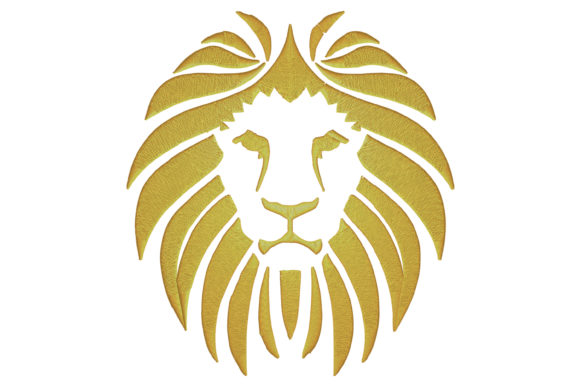
- Cap embroidery: Scales reliably to front-panel placement (with minor adjustment), provided you avoid overly curved low-profile caps. The face remains legible thanks to intentional negative space around the mane.
- Tote bag design: Holds presence on canvas or heavy cotton without bleeding or shadowing—especially when stitched in high-contrast thread colors like charcoal on natural canvas or navy on cream.
- Custom apparel & staff uniforms: Adds visual weight to sleeves or chest without overwhelming. For a bakery or craft studio, it signals pride—not pretension.
Where to Proceed with Care
Even strong designs have limits—and overlooking them can cost time, fabric, and client trust. With Lion Head, pay close attention to:
- Small patch sizes under 2”: Detail in the eye and inner mane may soften. Always run a test stitch-out before bulk production.
- Curved surfaces (e.g., structured caps or rounded mugs with embroidered sleeves): Stabilizer choice becomes critical—use cutaway + tear-away combo to prevent puckering.
- Dark uniforms or textured fabric: High stitch density in the mane can blend into deep navy or heather grey unless thread contrast is deliberate. Test black-on-black only if aiming for tonal subtlety—not clarity.
- Frequent washing: While the design avoids fragile fill stitches, reinforce backings on items like aprons or staff shirts with wash-safe stabilizer to preserve definition over 50+ cycles.
How Lion Head Strengthens Your Brand Identity
In small business merch, every stitch contributes to perception. Lion Head elevates perceived value not through complexity—but through cohesion. It pairs seamlessly with handwritten typography, minimalist labels, or earthy color palettes. Customers don’t see “a lion”; they register consistency, craftsmanship, and quiet authority. That builds trust faster than slogans ever could. For Etsy sellers or handmade brands, it also reinforces the handmade product narrative—not by looking rough, but by feeling intentionally human-scaled and tactile.
Practical Embroidery Designer Notes
Before launching Lion Head into production, here’s what I always do—and recommend you do too:
- Run a black-and-white test stitch first. It reveals spacing issues, thread tension traps, and unintended overlaps that color masks.
- Check how it behaves at your smallest intended size—especially for embroidered patch applications. Does the eye retain shape? Does the jawline stay sharp?
- Review thread colors against your base fabric. Even subtle shifts (e.g., burgundy vs. maroon) affect warmth and professionalism.
- Inspect spacing between elements—especially between mane strands and face outline. Tight gaps can vanish on knit fabrics or with heavy stabilizer.
- Confirm hoop size compatibility with your primary machines. Some versions of Lion Head may require larger hoops for full detail—verify before digitizing adjustments.
- Always test on real fabric, not just felt or practice cloth. Linen, canvas, and midweight cotton behave very differently.
- Use appropriate stabilizer: cutaway for stretch knits, tear-away for stable wovens, and fusible + tear-away for lightweight totes.
- Create a printable mockup for client approval—showing Lion Head on actual garment flats, not just isolated design views.
- Compare it beside your other design assets. Does it share rhythm with your logo? Complement your palette? Support—not compete with—your core messaging?
- Verify commercial licensing before using on products for resale. Since this is a digital embroidery file marketed for apparel and merchandise, confirm permissions align with your business model.
Final Thought: More Than a Design—A Brand Anchor
Lion Head stands out because it’s designed for function, not just flair. It’s built for the realities of small business merch: tight deadlines, mixed fabric types, varied skill levels across production teams, and customers who notice—and remember—the details. Whether you’re a solo craftsperson sourcing machine embroidery design files for your Etsy shop or an embroidery shop owner curating assets for local clients, Lion Head delivers reliability, adaptability, and quiet distinction. In a crowded market, that’s not decoration—it’s differentiation.