Sugar Glider: A Charming, Practical Wild Animals Embroidery Design
First Impression: Sweet, Delicate, and Surprisingly Versatile
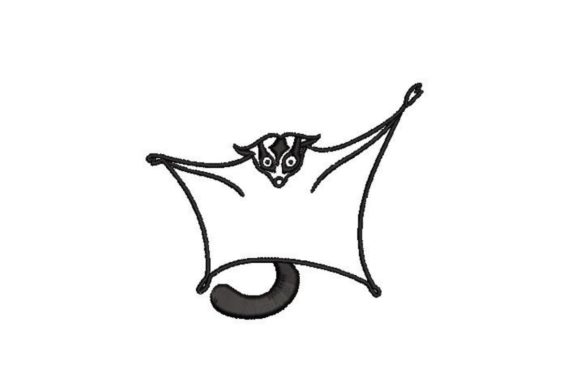
When I opened the Sugar Glider machine embroidery design, my first thought wasn’t “cute animal”—it was “this will read beautifully on a baby onesie.” The pose is gentle: one tiny paw lifted, ears perked, eyes softly defined—not overly cartoonish, not stiffly realistic. It carries warmth without saccharine overload. That’s rare in wild animal embroidery files. There’s just enough detail in the fur texture (likely achieved with layered fill stitch and subtle satin stitch accents) to suggest softness, but not so much that it’ll gum up on lightweight cotton or vanish on fleece. It feels intentional—not rushed, not over-engineered.
A Real-World Test: Stitching It for a Nursery-Themed Tote Bag
Last week, I used Sugar Glider on a natural linen tote for a local boutique’s baby gift bundle. Paired with minimalist botanical text (“Little Explorer”), it landed perfectly—whimsical but grounded. The design scaled well at 3.8 inches wide, holding clarity even on the slightly nubby fabric. No thread nesting in the ears. No skipped stitches around the tail curve. That tells me the stitch density is balanced—not too sparse to look thin, not so dense it risks puckering or stiffness. As a designer who ships embroidered goods across seasons, I appreciate that this isn’t a “stitch-and-pray” file. It behaves.
Where Sugar Glider Shines (and Where It Needs Thought)
Sugar Glider excels in projects where tenderness and quiet personality matter:
- Personalized gifts: Embroidered on a cotton muslin blanket or organic cotton onesie, it reads as thoughtful—not generic. Customers notice the care in the eye detail and ear shape.
- Boutique merchandise: Works beautifully on tea towels, aprons, and pillow covers where subtlety wins over boldness. It doesn’t compete with patterned fabric; it complements it.
- Holiday and milestone items: I’ve seen it used on “First Christmas” ornaments and “Welcome Home” caps for NICU families—its gentle energy fits those moments without cliché.
- Digital product bundles: As part of a curated Wild Animals collection for Etsy sellers, Sugar Glider adds emotional range—balancing bolder foxes or owls with something softer and more intimate.
Use With Intention—Not Just Enthusiasm
This isn’t a design you slap onto every surface. Here’s where attention matters:
- Small hoop sizes: Below 3 inches, fine details like the inner ear contour or whisker hints may soften. Test before committing to a 2-inch cap front.
- Textured or stretchy fabrics: On terry cloth or ribbed knit, use cutaway + tear-away stabilizer combo. The tail’s gentle arc can distort if the base fabric gives too much.
- Dark or heavily printed backgrounds: The design relies on contrast—especially in the eye highlight and nose definition. On black twill or busy prints, consider adding a subtle satin-stitched outline or switching to a lighter thread palette.
- Curved surfaces (caps, mugs, curved patches): The glider’s body flows left-to-right, not top-to-bottom—so it adapts better to front-of-cap placement than crown curves.
- Frequent-wash items: While stitch density looks durable, avoid placing it near high-friction zones (like shoulder seams on toddler sweatshirts) unless you reinforce with zigzag-edged applique or backing.
What It Adds to Your Finished Product—Beyond the Stitch
Sugar Glider quietly elevates perception. On a handmade product, it signals craftsmanship—not just “I ran a file.” Customers describe it as “so sweet,” “surprisingly expressive,” and “not too babyish.” That last note matters: it appeals to adults collecting animal-themed home goods, not just new parents. For craft businesses, that expands your audience. For Etsy sellers, it improves click-through on listings where buyers scroll past loud, repetitive motifs. And for designers building cohesive brand assets, it slots cleanly into nature-inspired palettes—pairing well with muted greens, warm taupes, and cream threads.
Designer Notes You Can’t Skip
Before cutting fabric or listing your next Sugar Glider-embellished item, do these five things:
- Test on scrap fabric—same type, same stabilizer, same thread colors you plan to use. Watch how the ears lay flat and whether the belly fur reads as texture or mush.
- Check thread color contrast in natural light. A pale gray glider on oatmeal linen reads softly; the same on heather grey might disappear.
- Review stitch density visually—zoom in on your embroidery software. Look for tight clusters in the face area. If they’re dense, reduce speed slightly on your machine for cleaner stops/starts.
- Confirm hoop size compatibility with your most-used hoops. If your standard is 4x4 but the design pushes 3.9 inches, you’ll need breathing room for hooping accuracy.
- Inspect small details in black-and-white mockups. Does the eye still read? Does the tail feel distinct from the body? If not, adjust underlay or add a single running stitch accent.
Final Thought: A Design That Earns Its Place
Sugar Glider isn’t flashy—but it’s reliable, expressive, and commercially smart. It works for baby embroidery and boutique apparel alike because it respects the viewer’s intelligence. It doesn’t shout “wild animal!”—it invites a pause, a smile, a second look. In a crowded digital embroidery marketplace, that kind of quiet resonance is gold. Whether you’re stitching a personalized gift, building a craft business catalog, or choosing design assets for resale, Sugar Glider earns its spot—not as filler, but as finish.